

CPTSD & Trauma Therapy in WA & CA
Healing the Invisible Wounds

I'm “Jane” I-Chen Liu, LMHC (WA). LPCC (CA). SEP™, a trauma therapist and complex PTSD therapist offering childhood trauma therapy in person in Lynnwood, WA and online across Washington and California. Using EMDR, IFS and Somatic Experiencing, I help adults heal the wounds that formed in early relationships, so you can finally feel safe in your body and your life.
For people who are high-functioning on the outside but deeply exhausted on the inside
When trauma wasn’t one event—but a way of life

If you grew up in an environment where your emotional needs were ignored, minimized, criticized, or unsafe, you may carry wounds that don’t always look like “obvious” trauma.
You might be:
Highly capable, responsible, and outwardly successful
Constantly anxious, self-critical, or emotionally overwhelmed
Exhausted from always holding it together
Confused about why therapy or self-help hasn’t “fixed” things yet
Complex PTSD (C-PTSD) often comes from chronic relational trauma—not a single incident, but years of emotional neglect, unpredictability, criticism, parentification, abuse, or unsafe caregiving.
And because these wounds formed in relationship, they often show up most strongly in:
Your inner dialogue
Your sense of self-worth
Your nervous system
Your adult relationships
Common symptoms of Complex PTSD
Emotional & Internal Experiences
Persistent shame or feeling “not enough”
Chronic anxiety, emptiness, or emotional numbness
Difficulty identifying or trusting your feelings
Intense inner critic
Feeling responsible for others’ emotions
Nervous System & Body
Hypervigilance or always being “on alert”
Difficulty relaxing or resting
Chronic tension, fatigue, or shutdown
Emotional overwhelm or sudden emotional flooding
Relationships & Identity
Fear of abandonment or closeness
People-pleasing or difficulty setting boundaries
Attracting emotionally unavailable or unsafe relationships
Unclear sense of self or identity
Feeling younger than your age emotionally in certain situations
C-PTSD is a developmental injury that deserves care, compassion, and attuned healing.
What healing from C-PTSD actually looks like
Healing is about coming home to who you already are—without fear.
Over time, healing may look like:
✅ Feeling safer inside your own body
✅ Less self-criticism and more self-trust
✅ Greater emotional regulation and resilience
✅ Clearer boundaries without guilt
✅ Relationships that feel mutual and secure
✅ A softer inner world with more choice and flexibility
Rather than pushing through symptoms, C-PTSD healing focuses on creating safety, stability, and self-trust—so growth feels sustainable, not overwhelming.
How I Work With Complex PTSD
I specialize in working with developmental and relational trauma, including emotional neglect, chronic invalidation, and childhood abuse.

IFS helps us understand the different “parts” of you—like the inner critic, the people-pleaser, or the part that shuts down—not as problems, but as protectors that once helped you survive.
We work toward:
Reducing internal conflict
Increasing self-compassion
Healing wounded younger parts safely and gradually

EMDR helps process traumatic memories and emotional patterns that are stuck in the nervous system—often without needing to retell the story over and over.
For C-PTSD, EMDR is adapted carefully to support:
Emotional regulation
Developmental repair
Stability before deep processing

Trauma lives in the body. Somatic work helps you reconnect with physical sensations, boundaries, and safety cues—so healing happens from the bottom up, not just cognitively.
This approach supports:
Nervous system regulation
Increased capacity for emotions
Feeling more grounded and present in daily life

Healthy shame vs. toxic shame
(and why this matters)
Shame is one of the most misunderstood—and most painful—parts of Complex PTSD.
Many people with C-PTSD don’t just feel shame occasionally; they live inside it. This isn’t because they are flawed or overly sensitive. It’s because shame often became a survival strategy in unsafe or invalidating environments.
01
Why C-PTSD so often involves toxic shame
When children grow up in environments where caregivers are emotionally unavailable, unpredictable, critical, abusive, or overwhelmed, they have very limited options.
A child cannot safely think:
“My caregiver is unsafe.”
“My needs matter and aren’t being met.”
Instead, the nervous system often concludes:
“Something must be wrong with me.”
Over time, this belief becomes embodied. Shame turns into a way to maintain connection, reduce conflict, or make sense of chaos. If I am the problem, then the world feels more predictable—and survival feels possible.
This is how toxic shame forms, and why it is so deeply tied to C-PTSD.
Healthy shame is temporary and relational.
It helps us recognize mistakes, repair relationships, and stay connected to others.
Example:
“I regret how I handled that. I want to repair.”
Healthy shame:
Comes and goes
Does not define who you are
Allows for repair, learning, and growth
02
Healthy shame
Toxic shame develops in unsafe, invalidating, or emotionally neglectful environments, especially in childhood.
Instead of “I did something wrong,” toxic shame says:
“I am wrong.”
Toxic shame often sounds like:
“I’m too much.”
“I don’t deserve care.”
“I am not worthy.”
Because this shame formed early and repeatedly, it doesn’t live only in thoughts—it lives in the nervous system and body. It can show up as collapse, anxiety, self-criticism, people-pleasing, or emotional shutdown.
That’s why insight alone often isn’t enough to heal it.
03
Toxic Shame
Specializing in Complex Trauma and Generational Trauma
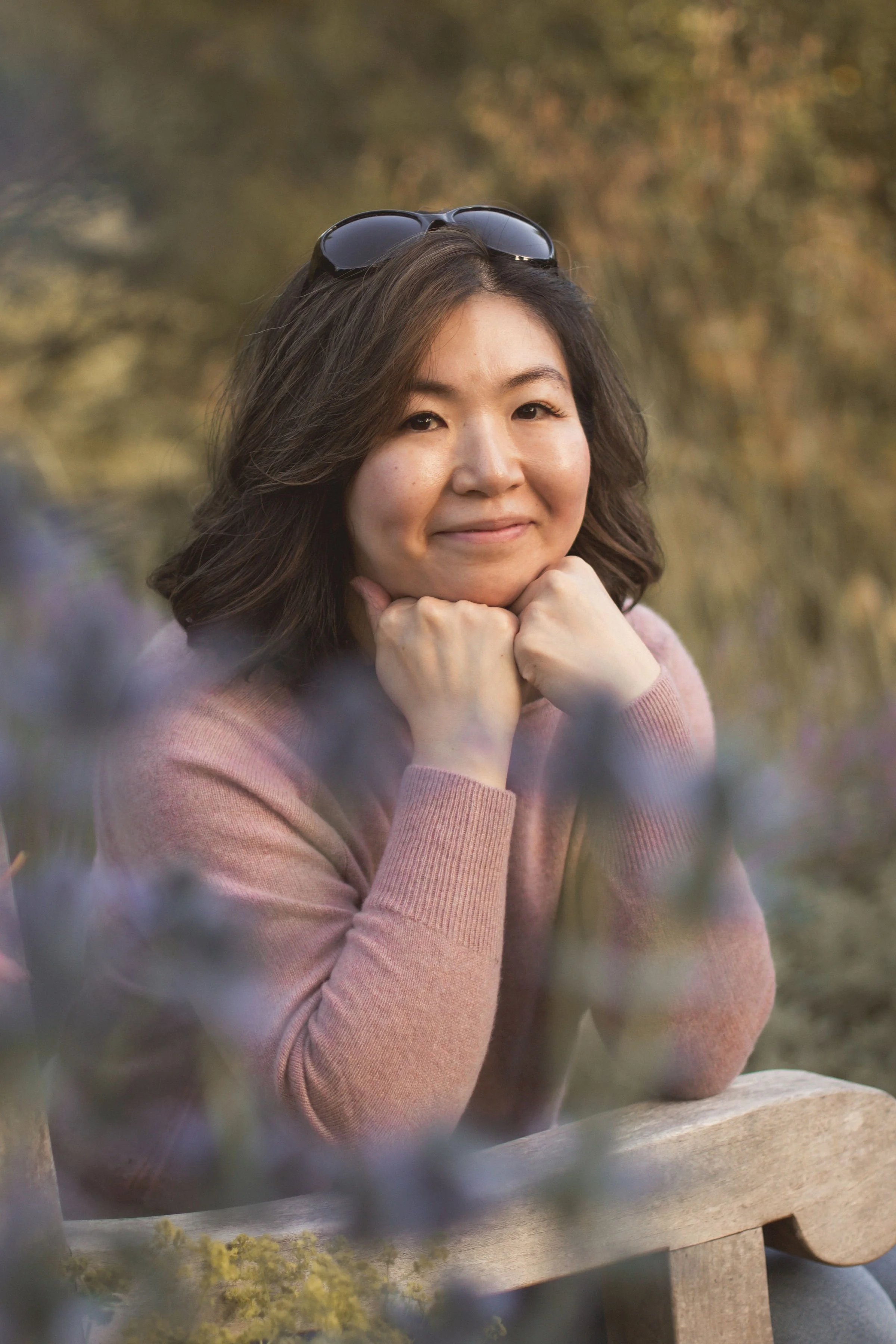
Many of my clients didn’t experience a single traumatic event—but rather, years of chronic stress, emotional neglect, or the pressure to meet unrealistic expectations. You may have been the one who held everything together, even as your own needs were overlooked.
Others come in carrying the invisible weight of generational trauma—patterns of survival, silence, or shame passed down through families or shaped by systemic oppression. This kind of trauma often lives in the body and nervous system, even when we can’t fully name it.
My approach honors the complexity of your story. I offer a space where trauma, identity, and culture can be explored with compassion—so healing isn’t just about coping, but about reclaiming your voice, your worth, and your sense of connection to self and community.
Looking for dedicated time and space to focus on your healing? Explore EMDR intensives















FAQs
1. What's the difference between PTSD and complex PTSD?
PTSD usually develops after a single traumatic event, such as an accident or assault. Complex PTSD (CPTSD) develops from repeated, long-term trauma, often in childhood relationships, such as emotional neglect, abuse or growing up with an unpredictable parent. CPTSD includes PTSD symptoms like flashbacks and hypervigilance, plus deeper struggles with emotional regulation, a harsh inner critic or persistent shame, and difficulty feeling safe in relationships. The World Health Organization recognizes complex PTSD as its own diagnosis (ICD-11). As a complex PTSD therapist, I focus on healing both the memories and the patterns they left behind.
2. Do I need to talk about my trauma in detail?
No. You don't have to retell every detail to heal. With EMDR, IFS and Somatic Experiencing, we work with what your body and nervous system are holding, not just the story. Many clients process painful memories while sharing very little out loud. We always start by building safety and grounding, and you stay in control of the pace. You can pause or slow down at any time.
3. How long does CPTSD therapy take?
It depends on your history, goals and pace. Many clients notice meaningful shifts within the first few months of weekly therapy, while deeper healing from childhood trauma often unfolds over a year or more. If you'd like faster progress, an EMDR intensive offers several hours of focused work over 1–3 days, which can create in days what might take months of weekly sessions. We'll talk about what fits you during a free 20-minute consultation.
4. Can CPTSD be treated online?
Yes. I offer online CPTSD and trauma therapy for adults anywhere in Washington and California, and in-person sessions in Lynnwood, WA. EMDR, IFS and Somatic Experiencing all work well online, and many clients find it easier to feel safe processing trauma from their own home. You'll need a private, quiet space, a stable internet connection and headphones. You also need to be located in Washington or California during sessions.
5. Is EMDR effective for complex trauma?
Yes, when it's adapted for complex trauma. EMDR is recommended by the World Health Organization for treating PTSD, and research and clinical experience show it can also help with childhood and complex trauma. Because CPTSD affects the nervous system and sense of self, I combine EMDR with IFS (parts work) and Somatic Experiencing. We build stability and inner resources first, so processing feels safe and doesn't overwhelm you.

Virtual

Lynnwood WA
Hybrid
Attuned Trauma Therapy that honors your nervous system
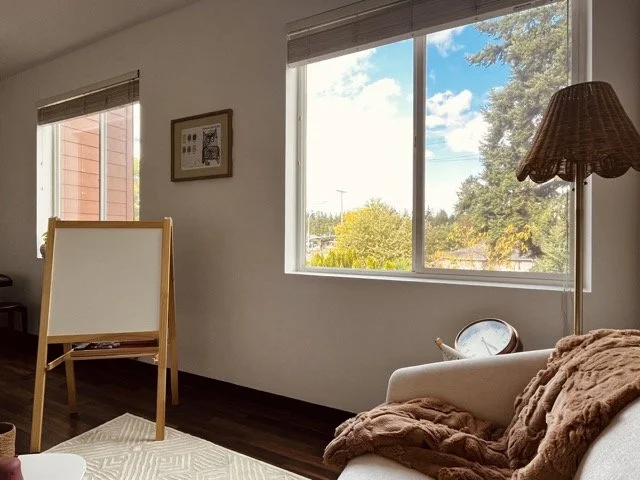
I offer trauma therapy for adults in person in Lynnwood, WA and through telehealth for clients throughout Washington and California.

You weren’t meant to live in constant survival mode. No matter where you’re starting from, healing is possible—and it belongs to you.